Buying a home is one of the biggest investments most people will ever make, and a professional home inspection helps you better understand the condition of the property before you move forward. But many buyers and sellers aren’t exactly sure what a home inspection includes.
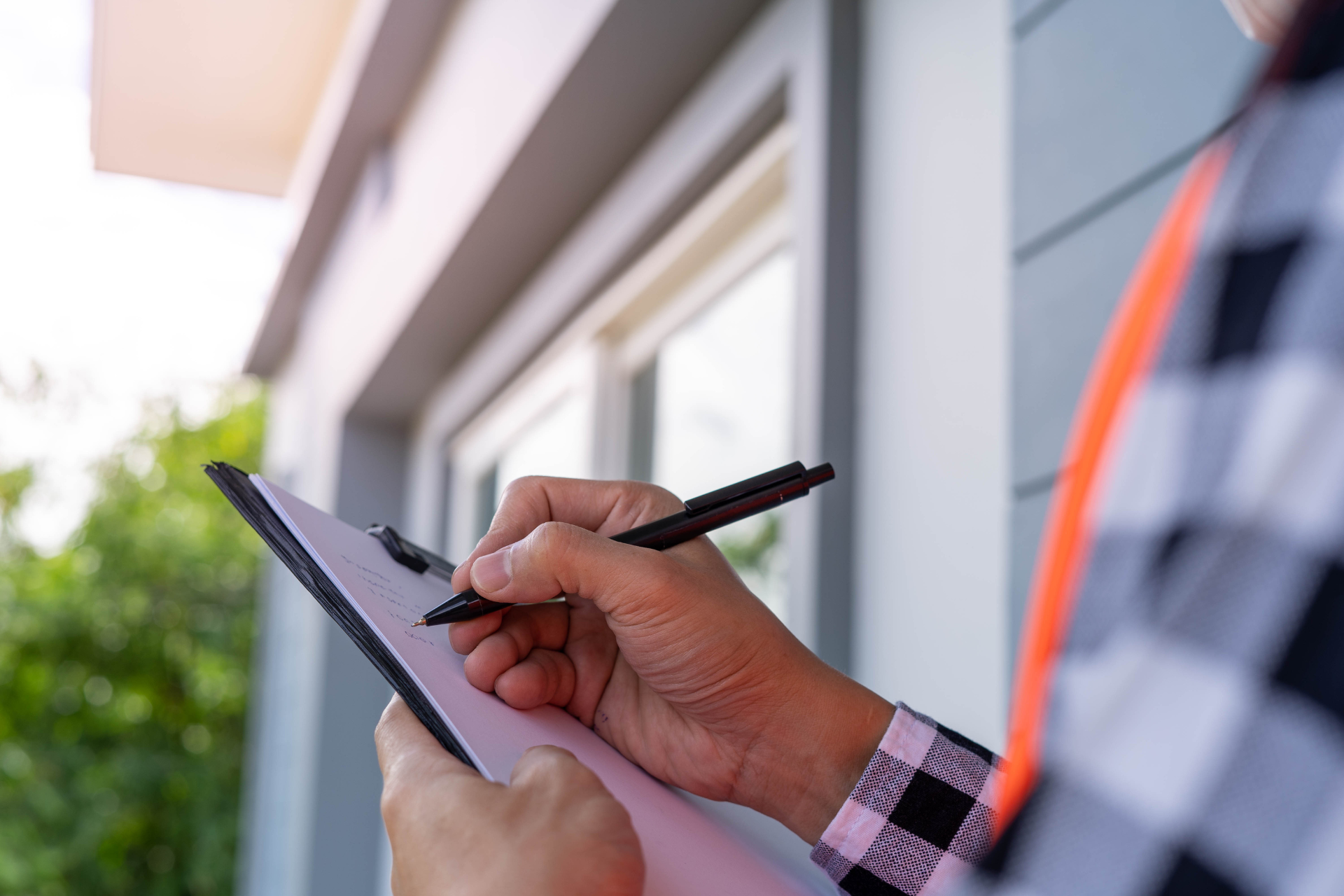
A standard home inspection is designed to evaluate the major systems and structural components of a home. The goal is to identify visible issues, safety concerns, maintenance needs, and potential repairs so you can make informed decisions with confidence.
Here’s a closer look at what’s typically covered during a professional home inspection.
Roofing
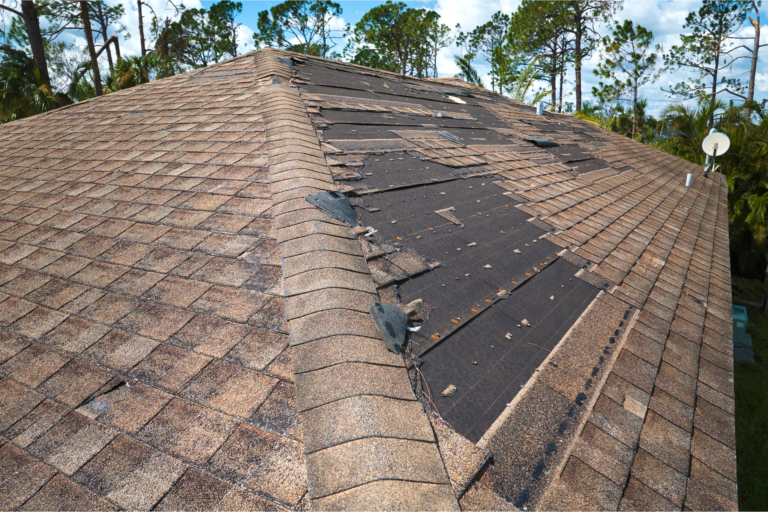
The roof protects everything underneath it, so it’s one of the most important parts of the inspection process. During the inspection, the roof will be checked for signs of damage, aging, leaks, missing shingles, drainage issues, and overall condition.
Inspectors also look at flashing, gutters, downspouts, and ventilation to help identify areas that could lead to moisture problems or future repairs.
Foundation and Structure
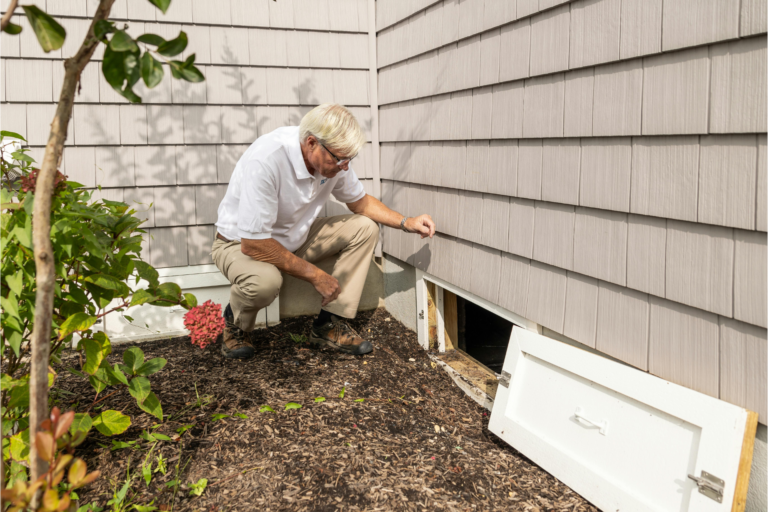
Foundation concerns can become costly if left unnoticed. A home inspection includes a visual evaluation of the foundation and structural components of the home.
This may include checking for:
- Cracks in walls or foundations
- Uneven floors
- Signs of settling
- Water intrusion
- Structural movement
While a home inspector does not perform engineering work, they can often spot warning signs that may need further evaluation.
HVAC System
The heating and cooling system plays a major role in comfort, energy efficiency, and indoor air quality. During the inspection, the HVAC system is checked to ensure it is operating properly at the time of the inspection.
This typically includes:
- Furnace operation
- Air conditioning performance
- Thermostat functionality
- Visible ductwork
- Air filters and ventilation
An inspector may also note the approximate age and condition of the system to help homeowners plan for future maintenance or replacement.
Electrical System
Electrical issues can create both safety hazards and expensive repairs. A home inspection includes a review of the home’s electrical components to identify visible concerns.
Inspectors commonly evaluate:
- Electrical panels
- Wiring
- Outlets and switches
- Grounding
- Visible safety hazards
The goal is to identify issues such as outdated wiring, overloaded circuits, or potential fire risks.
Plumbing
The plumbing system is another essential part of the inspection process. Inspectors check for leaks, water pressure concerns, drainage problems, and visible plumbing defects throughout the home.
This may include:
- Faucets and fixtures
- Water heaters
- Pipes and drains
- Toilets and sinks
- Signs of water damage
Even small leaks can lead to larger issues over time, so identifying problems early can save homeowners money and stress later.
Attic and Insulation
The attic often reveals important information about a home’s condition. During the inspection, the attic space and insulation are checked for ventilation, moisture problems, insulation levels, and signs of damage.
Inspectors may look for:
- Proper airflow
- Water stains or leaks
- Mold or mildew concerns
- Inadequate insulation
- Signs of pests
A properly insulated and ventilated attic can improve energy efficiency and help protect the home from long-term moisture issues.
Why a Home Inspection Matters
A home inspection provides valuable peace of mind for both buyers and sellers. It helps uncover potential problems before closing and gives homeowners a better understanding of the property they’re investing in.
Whether you’re buying, selling, or simply wanting to better understand the condition of your home, a professional inspection is an important step in the process.
Schedule your professional home inspection today and move forward with confidence.