A home may look perfect during a showing, but even well-maintained properties can have hidden issues beneath the surface. That’s why a professional home inspection is such an important part of the buying and selling process.
Home inspections help uncover potential problems before they turn into expensive surprises. While every property is different, there are several issues inspectors commonly find during inspections.
Here are some of the most frequent problems homeowners and buyers should be aware of.
Roof Leaks and Roofing Damage
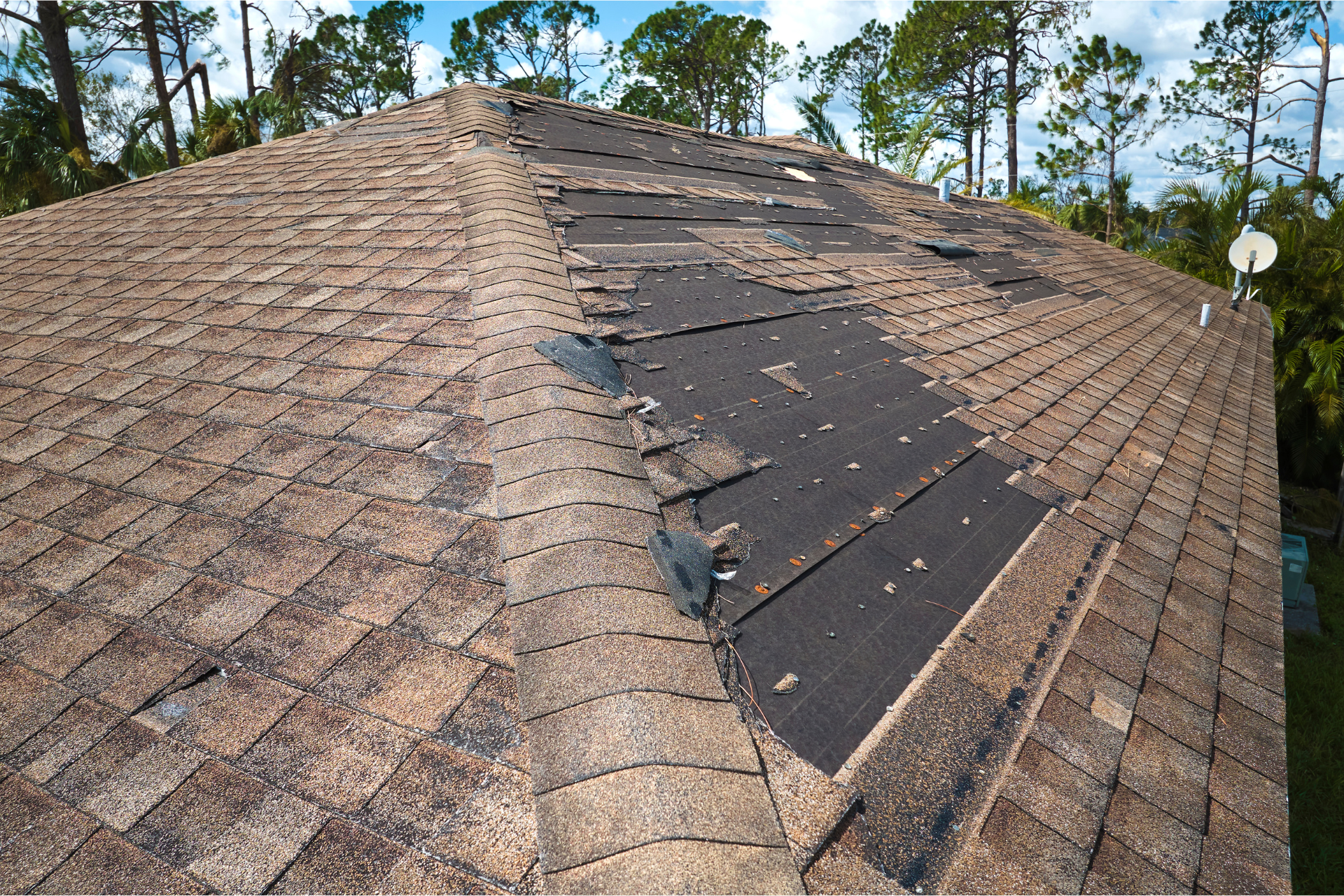
Roof problems are one of the most common issues uncovered during inspections. Missing shingles, damaged flashing, clogged gutters, and aging roofing materials can all allow water to enter the home.
Even small leaks can lead to:
- Water damage
- Mold growth
- Rotting wood
- Interior ceiling stains
Because roof repairs can become costly quickly, identifying concerns early is extremely important.
Electrical Hazards
Electrical issues are both common and potentially dangerous. Older homes especially may contain outdated wiring, overloaded circuits, or improperly installed electrical components.
Inspectors often discover:
- Exposed wiring
- Double-tapped breakers
- Ungrounded outlets
- Unsafe electrical panels
- DIY electrical work
These problems can increase the risk of electrical fires and should be addressed promptly by a licensed electrician.
Plumbing Leaks
Small plumbing leaks can go unnoticed for long periods of time, slowly causing damage behind walls, under sinks, or around fixtures.
During a home inspection, common plumbing concerns may include:
- Dripping pipes
- Corroded plumbing
- Poor water pressure
- Slow drains
- Water heater issues
Left untreated, even minor leaks can result in water damage, mold, and costly repairs.
HVAC System Concerns
Heating and cooling systems are expensive to repair or replace, which makes HVAC inspections especially valuable.
Some of the most common HVAC concerns include:
- Dirty or clogged filters
- Aging systems
- Poor maintenance
- Uneven heating or cooling
- Malfunctioning thermostats
An inspection can help determine whether the system appears to be operating properly and may also identify signs that repairs or replacement could be needed soon.
Moisture Intrusion
Moisture is one of the biggest threats to a home’s condition. Water intrusion can damage flooring, drywall, insulation, and structural materials over time.
Inspectors commonly look for signs of:
- Water stains
- Mold or mildew
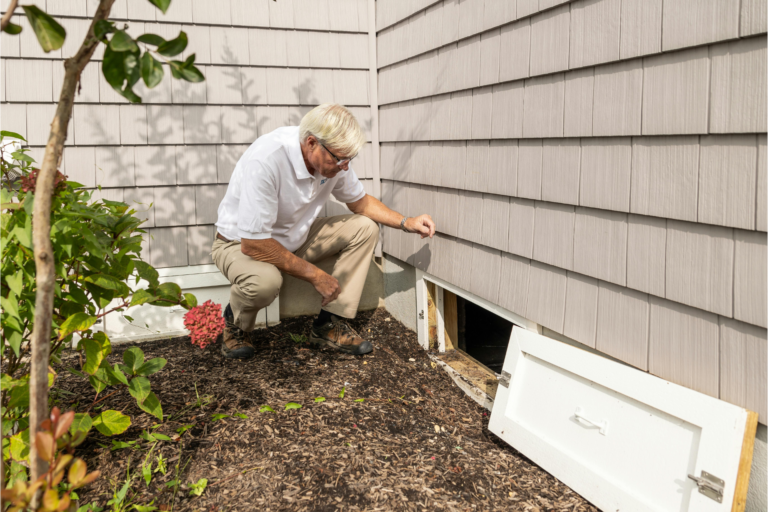
- Damp crawl spaces
- Condensation issues
- Poor drainage around the home
Moisture problems are important to catch early because they often lead to larger structural or health-related concerns if ignored.
Foundation Cracks and Structural Movement
Not all foundation cracks are serious, but some can indicate larger structural concerns. During an inspection, the foundation and visible structural components are carefully evaluated.
Potential warning signs may include:
- Large or widening cracks
- Uneven floors
- Doors or windows sticking
- Wall separation
- Signs of settling
Early identification helps homeowners address concerns before they become more severe and expensive.
Poor Drainage Around the Home
Improper drainage can contribute to foundation problems, basement moisture, and landscaping damage. Inspectors often evaluate how water flows around the property.
Common concerns include:
- Improper grading
- Standing water
- Downspouts draining too close to the home
- Erosion issues
Simple drainage corrections can often prevent major long-term damage.
Attic Ventilation Problems
An attic that lacks proper ventilation can trap heat and moisture, leading to mold growth, reduced energy efficiency, and roof deterioration.
Inspectors may identify:
- Blocked vents
- Inadequate airflow
- Excessive attic heat
- Moisture buildup
Proper ventilation helps extend the life of the roof and improves overall home performance.
Insulation Deficiencies
Insufficient insulation can increase utility bills and make a home less comfortable throughout the year. During the inspection, insulation levels and visible condition may be reviewed.
Poor insulation can lead to:
- Higher heating and cooling costs
- Uneven indoor temperatures
- Moisture problems
Improving insulation is often one of the easier ways to improve energy efficiency.
Safety and Maintenance Issues
Many inspections also reveal smaller maintenance and safety concerns that homeowners may overlook over time.
These may include:
- Loose handrails
- Missing smoke detectors
- Damaged caulking
- Broken fixtures
- Unsafe stairs or walkways
While these problems may seem minor individually, addressing them can improve both safety and property value.
Why Home Inspections Matter
A home inspection is about more than finding problems. It provides buyers and sellers with a clearer understanding of a property’s condition and helps prevent unexpected repair costs down the road.
The earlier issues are identified, the easier and more affordable they often are to fix.
Early detection saves thousands in repairs.